Man With Van in Upton

Our man with van in Upton service is set up for straightforward local moves, deliveries and transport jobs that need careful handling rather than a full-scale removal crew. We work with customers who want practical help moving furniture, boxes, appliances or mixed household items, and we keep the service focused on loading, carrying and transport. If you need support with a flat move, a room clearance, a collection or a short-distance transfer, this is the core service to start from.
The work is arranged to suit the load, the access and the destination, so the plan stays sensible from the outset. Some jobs call for simple lifting and transport only; others need protection for awkward items, careful stacking and a bit of extra coordination at each end. We can help with home moves, furniture pick-up, office relocation tasks and other removal work where a van and two careful hands make the difference. Pricing and quotes is a useful place to review the sort of information that helps shape a quotation.
For anyone comparing options, it often helps to think about the job in practical terms: what is being moved, where it is going, whether there are stairs, and whether the load includes anything fragile, bulky or unusually heavy. A clear brief keeps the service efficient and makes the transport easier to organise. If your move is simple, keep it simple; if it is more involved, the service can usually be planned around that without unnecessary extras.
House Moves and Home Transport

Household moves are often better handled in smaller, more flexible stages, especially when only a few rooms, selected items or a compact property are involved. Our home-moving support is designed for exactly that kind of work. It suits residents who need a van-based removal service for furniture, white goods, personal belongings and boxed contents without the scale or cost of a larger operation. The emphasis stays on safe lifting, tidy loading and sensible route planning.
We can assist with local home moves that include single items as well as fuller domestic loads. Typical work may involve beds, wardrobes, tables, sofas, shelves, suitcases and sealed boxes, with protection used where appropriate to help prevent scrapes during transit. For a broader look at domestic removal options, home moves explains a related service scope, while house removals covers the same kind of household work from a more traditional removals perspective.
Moving day works best when the essentials are ready in advance. A short list of items, a note of any tight access points and a clear destination all help the job run smoothly. It is also sensible to separate anything delicate or valuable from the general load so it can be handled with extra care. If you are comparing transport for a partial house move, a van service can be a tidy middle ground between doing everything yourself and booking a large vehicle you do not need.
Furniture Pick-Up and Item Transport

Furniture pick-up is one of the most common reasons people use a man and van service, because it solves the problem of moving bulky pieces that do not fit easily in a car. This type of job can cover a collection from a shop, a marketplace purchase, a storage unit or another home. The key is careful loading and secure transport, particularly for pieces with glass, polished finishes or awkward dimensions.
Our support can include single-item collections and multiple-piece runs where the load needs to be kept separate and stable inside the van. We also help with furniture that needs a bit of planning, such as wardrobes, beds, sideboards or office desks. If your move is essentially a transport task rather than a full household relocation, furniture pick-up is a relevant service page to review. For broader van-based removals, man and van removals offers another entry point.
The best furniture jobs are the ones where measurements, access and weight are thought through before the lift begins. That does not mean every detail has to be perfect, but it does help to know whether the item can be dismantled, whether a doorway is narrow, and whether the delivery point has steps or a lift. With that information, the load can be arranged more efficiently and the move kept as straightforward as possible.
Office and Commercial Moves
Business moves need a service that is organised enough to keep items together, but flexible enough to work around desks, files, equipment and furniture of different sizes. Our man with van support can be used for office relocation tasks where a modest vehicle-based move is more suitable than a large-scale commercial removals operation. That might include archive boxes, chairs, light desks, monitors, filing units or stock being transferred between premises.
Commercial jobs usually benefit from a clear sequence: identify what is moving, separate what should stay put, and decide which items need extra care. We can help with office removals and other business transport where speed, tidiness and practical loading are more important than elaborate staging. If you want a service page dedicated to this kind of work, office relocation services and office removals both give a sensible route into the subject, while commercial moves sits alongside them for wider business transport needs.
It is worth separating routine office contents from anything sensitive or irreplaceable. Files, IT equipment and smaller accessories are often easier to move when they are grouped by desk, department or room. That makes unloading more orderly at the other end and reduces the chance of items being scattered. A compact van-based move is especially useful when the job is local and the load is modest, because the focus stays on careful transport rather than unnecessary complexity.
Packing Support and Load Preparation

Packing support can make a van move much easier, particularly where there are lots of smaller items or a mixture of fragile and sturdy belongings. The aim is not to overcomplicate the job; it is to make sure the items travel securely and can be handled without avoidable strain. Sealed boxes, wrapped furniture, grouped hardware and labelled bags all help keep the load coherent. When suitable, packing and unpacking support can be arranged as part of the wider move.
Some customers only need a few practical steps, such as help with wrapping or carrying while they finish the rest themselves. Others want a more complete service that includes arranging the load in the van and placing key pieces in the correct rooms on arrival. For related information, packing and unpacking services is the most direct page, while removal services is useful if you want to compare the overall scope of moving support available through the site.
Good packing is less about perfection and more about consistency. Boxes that are not overfilled, furniture that is emptied where sensible and loose parts that are taped together all reduce friction during the move. It also helps to keep a small essentials bag separate so items needed on arrival are easy to locate. That sort of preparation can save time at both ends without turning a simple van job into something more complicated than it needs to be.
Insurance, Safety and Careful Handling
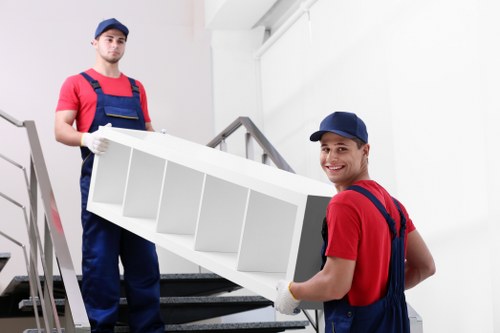
Safety matters on every removals job, but especially where heavy lifting, narrow access or fragile belongings are involved. Our service is built around careful handling and sensible loading methods so items are moved with attention from the first lift to the final placement. The practical side of the work includes protecting corners, balancing the load inside the van and choosing the right sequence for carrying items through the property.
If you are comparing transport providers, it is sensible to look at how they explain their approach to protection and responsibility. The relevant pages on insurance and safety and health and safety policy set out the site’s formal approach, while payment and security gives useful background on how transactions are handled. Those pages do not replace the moving service itself, but they do help customers understand the framework around it.
Where access is awkward, it helps to think in terms of routes rather than just items. Stairs, tight landings, shared entrances and parking distance all influence how a job is managed. A responsible removals service keeps those practical points in mind before lifting begins. That way, the move is handled in a controlled manner and the load stays easier to manage from start to finish.
Planning Your Quote
A good quotation starts with practical information rather than guesswork. The more clearly the load, access and destination are described, the easier it is to match the right van service to the job. A short summary of what is being moved, where it is going and whether there are any awkward items is usually enough to begin with. If the move includes disassembly, waiting time or multiple collection points, those details should be included as well.
For a straightforward enquiry, it is useful to note the number of rooms or items, any large furniture pieces, and whether the loading point is at street level or further inside the property. If you are arranging a move over more than one stop, that should be mentioned too, as it affects the schedule and route. You can also contact us if you want to request a quotation for a man with van job and discuss the scope before confirming anything.
There is no need to overprepare, but a little structure helps. A brief written outline, a few measurements where helpful and a realistic idea of timing all make the estimate more dependable. If the job changes later, that can be reviewed, but starting with solid information means the quote is based on the actual work rather than assumptions. Pricing and quotes remains the best place to check the general approach to estimating jobs.
Ways Our Van Service Can Be Used
Man and van work is useful because it can be adapted to different kinds of load without requiring the scale of a full removal lorry. It can support one-off collections, part-house moves, internal transfers, office deliveries and other transport tasks where flexibility matters. The service is especially practical when items need to be taken from one address to another without lingering complexity, and when a customer prefers a direct, task-focused arrangement.
Common uses include mixed household items, second-hand furniture, light commercial stock, boxes from storage and appliances that need careful positioning. The same van-based approach can also suit short-notice changes, provided the job details are clear. If you want to look at similar service categories, moving van, moving truck and removal van are relevant pages that describe the transport side of the work from different angles.
What matters most is choosing the service that fits the actual load. A van-based move is often the neatest choice when the items are substantial but not excessive, or when a smaller number of people are enough to manage the lifting properly. It is a practical option for customers who want to avoid unnecessary scale while still getting the benefit of orderly transport and sensible handling.
About Upton
Upton is a name used for several places in Britain, and the local character depends on which Upton is meant. In the absence of a clearly specified town or district, it is safest to describe Upton in general terms rather than attach unverified facts to the wrong settlement. The name itself is common in English place-naming, and many communities called Upton developed as small settlements or estates before being absorbed into larger urban areas or remaining as distinct villages. Some have historic churches, older street patterns, and a mix of later housing that reflects different phases of growth. Others sit close to waterways, industrial land, parks or transport corridors that shaped how they expanded. The shared theme is often a layered local landscape: older buildings or historic cores alongside modern residential streets, local shops and community spaces. Because there is not enough supplied evidence to identify the intended Upton precisely, a careful general profile avoids inventing landmarks, dates or boundaries that may not apply. That keeps the description accurate while acknowledging that the name can refer to different places with very different histories and settings.