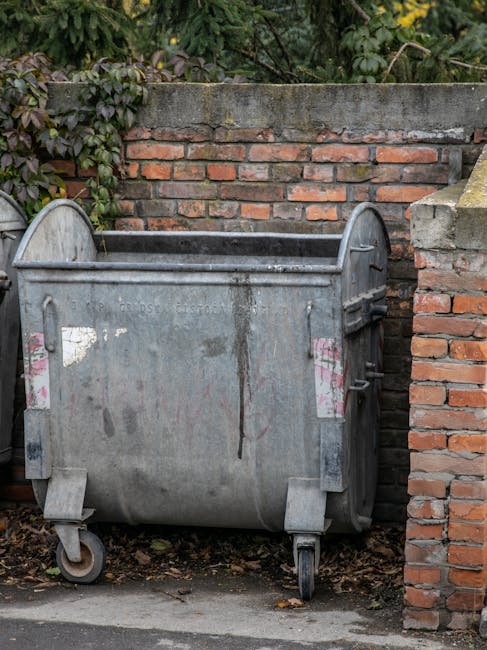
Skip hire rules in Upton: council fines and disposal
Posted on 05/07/2026
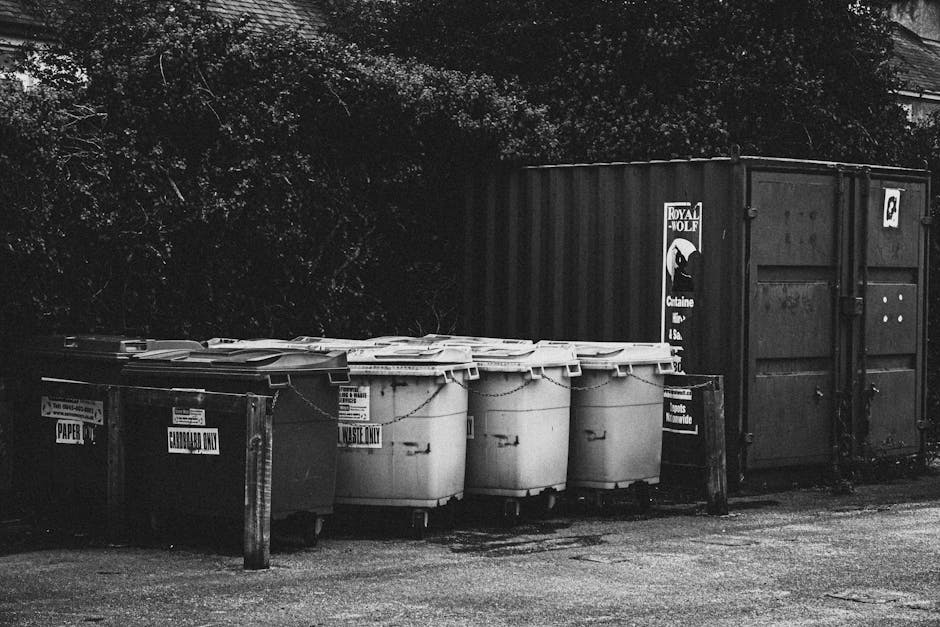
If you are planning a clear-out, house move, renovation, or even a weekend declutter, the rules around skip hire can catch you out faster than you'd expect. One minute you're getting rid of old boards and broken furniture, the next you're worrying about permits, where the skip can sit, what goes in it, and whether you could end up with a council fine. That is exactly why understanding Skip hire rules in Upton: council fines and disposal matters before the lorry turns up.
In Upton, the practical side of skip use is not just about booking a container and filling it up. It is about safe placement, correct waste sorting, avoiding fly-tipping, and making sure your disposal method matches local expectations. Get that wrong and the cost of a cheap skip can suddenly feel very expensive. Get it right, though, and the whole process becomes simpler, cleaner, and far less stressful.
Below, you'll find a plain-English guide to what usually causes problems, how council fines can happen, what sensible disposal looks like, and how to keep your project compliant without overcomplicating it. If you're moving home as well, you may also find our guides on decluttering before a move and packing wisely for a seamless house move useful alongside this one.
Quick takeaway: most skip-related headaches come from three things: putting the skip in the wrong place, putting the wrong waste in it, or leaving waste where it can be treated as a nuisance. Simple enough in theory. In practice, people rush it. Let's not do that.
Why Skip hire rules in Upton: council fines and disposal Matters
Skip hire rules matter because waste is one of those things people only notice when it becomes a problem. A skip on the road, a pile of rubbish beside a driveway, or mixed waste left in the wrong place can quickly create issues with neighbours, parking, access, and compliance. In a busy area, that can become a real nuisance very quickly.
Most readers do not set out to break any rules. Usually it starts with a decent intention: clear the loft, tidy the garden, or shift rubble from a DIY job. But disposal has consequences. If waste is left unlawfully, or if a skip blocks access without proper approval, the council may treat it as an enforcement matter. That can mean an instruction to move it, extra charges, or a fine depending on the circumstances.
There is also the wider disposal picture. Some waste can be reused, some can be recycled, and some needs special handling. If you mix everything together, you make sorting harder and may push up your costs. That is why understanding disposal rules is not just about avoiding penalties; it is also about making the whole job cleaner and more efficient. Truth be told, a bit of planning saves a lot of faffing later on.
If you are preparing for a larger home move, there is a decent chance you'll also be dealing with bulky items, old packaging, and those awkward bits that never seem to fit anywhere. Our article on achieving a smooth house move minus the stress gives useful context for handling the wider move, not just the waste side.
How Skip hire rules in Upton: council fines and disposal Works
At its simplest, skip hire works like this: you book the right size skip, arrange where it will sit, load only the waste that is allowed, and then have it collected by the provider for lawful disposal. The complication comes from the location, the type of waste, and whether the skip sits on private land or public highway.
On private property, such as a driveway or private yard, the process is usually straightforward. On a public road or pavement, permissions may be required and the placement needs to be managed carefully. This is where many problems start. A skip that looks harmless can still obstruct traffic, reduce visibility, or block pedestrians. That's the sort of thing that can attract complaints, especially if it sits there for several days.
Disposal also matters beyond the skip itself. A reputable provider should sort and transfer waste to the appropriate facility or recycling route where possible. You should avoid treating a skip like a general "anything goes" bin. Hazardous items, electricals, tyres, liquids, gas bottles, plasterboard, asbestos, and certain other materials often need separate handling. Put the wrong thing in, and the load can be rejected or charged extra.
Here's the part that surprises people: council fines are not always about the skip hire itself. Sometimes they arise because waste has been dumped beside the skip, a permit condition has been ignored, or materials were left on the street after collection. So the rule is not just "hire a skip." It is "manage the waste properly from start to finish."
A local moving job can also be made easier by planning your vehicle access. If you need loading help or a van that can manage bulky removals while keeping things tidy, take a look at street loading permit guidance for Upton and our practical notes on packing and access around Upton High Street.
Key Benefits and Practical Advantages
People often think skip hire is only about convenience, but there are some very real practical advantages when it is done properly.
- Cleaner worksites: If waste is contained, you reduce trip hazards and keep the area easier to work in.
- Better timing: A skip lets you clear waste steadily rather than making repeated tip runs.
- More control: You can separate reusable items, recyclables, and general waste more sensibly.
- Less stress: There is something oddly calming about having a single, obvious place for the mess.
- Lower risk of disputes: If a skip is placed properly and collected on time, neighbours are less likely to complain.
- Safer disposal: Using the right route for the right waste reduces the chance of a rejected load or enforcement issue.
For move-related jobs, skip hire can work especially well when combined with decluttering and careful packing. It keeps the actual move-day load lighter. That can help if you are planning to move from a flat, manage tight stairways, or deal with furniture that has seen better days. A bit like clearing a kitchen before a deep clean, the outcome is just easier when the clutter is handled first.
If you are getting rid of bulky household items, you may also want to read moving bulky furniture on narrow Upton terraces and the move-out cleaning checklist so the disposal and cleaning plan actually line up.
Who This Is For and When It Makes Sense
Skip hire is not only for builders. In Upton, it makes sense for a wide range of everyday jobs, especially when waste volumes are too awkward for normal bins.
Typical users include:
- homeowners clearing lofts, garages, gardens, or sheds
- renters moving out and needing to clear leftover items
- landlords preparing a property between tenancies
- small trades and DIY renovators with mixed waste
- families doing a big declutter before a move
- anyone dealing with bulky waste that would otherwise mean several vehicle trips
It makes most sense when you have a medium-to-large amount of waste and want it removed in one controlled process. If your job is tiny, a skip can be overkill. If your waste includes a lot of specialist material, a skip may still be useful, but only alongside separate disposal arrangements.
For students or people in smaller homes, the same logic applies, just on a smaller scale. If you are moving out of shared accommodation, keep an eye on waste, broken furniture, and leftover packaging. Our student removals in Upton page is a handy companion piece if you are juggling limited space and a deadline. And if the move is urgent, same-day help can sometimes reduce the temptation to dump things in a rush. Nobody needs that headache.
Step-by-Step Guidance
Here is the simplest sensible way to handle skip hire rules, fines, and disposal without making it a bigger project than it needs to be.
- Sort your waste first. Pull out anything reusable, donate-worthy, recyclable, or hazardous before booking.
- Measure the space. If the skip is going on private land, check access, gate width, overhead wires, and surface strength.
- Decide whether a permit may be needed. If the skip will sit on a public road or pavement, assume permissions may be involved until confirmed otherwise.
- Choose the right size. Too small means overflow risk; too large can be unnecessary, awkward, and more expensive.
- Ask about restricted items. Clarify what cannot be placed in the skip before collection day.
- Load safely and evenly. Put heavier items at the bottom and avoid overfilling above the top edge.
- Keep waste contained. Do not leave bags, boards, rubble, or loose items beside the skip.
- Book collection on time. The longer a skip stays out, the more likely it is to become a nuisance or attract attention.
That sequence sounds basic, I know. But basic is often what prevents the fine. Most compliance problems happen because someone skipped the planning stage and assumed the hire company would handle everything. Sometimes they do a lot; sometimes they can't do the bit that is actually your responsibility. Slightly annoying, but there it is.
Expert Tips for Better Results
After enough real-world jobs, a few patterns become obvious. The tidy projects are rarely the luckiest ones; they're the most organised.
- Pre-sort before the skip arrives. If you sort on the fly, you'll waste time and fill the skip badly.
- Flatten what you can. Breaking down cardboard, furniture, and packaging creates much better space efficiency.
- Keep a "maybe later" pile separate. This stops good items from being thrown out just because the process is moving fast.
- Take photos of the skip location. If a dispute arises, a clear record can help show what was agreed.
- Watch the weather. Wet waste can be heavier, messier, and harder to load neatly.
- Think about the neighbours. A skip on a narrow street is less of a problem when it is placed neatly and collected promptly.
If your skip work is tied to moving house, planning is everything. There is a nice overlap between waste control and move planning, and it's one reason experienced movers often start with decluttering. Our guide to packing wisely for a seamless house move complements this nicely.
Expert summary: the safest path is usually the boring one: sort first, confirm placement, separate restricted waste, and collect promptly. Boring is good here. Boring avoids fines.

Common Mistakes to Avoid
The same mistakes show up again and again, and they're almost always avoidable.
- Assuming every skip can go anywhere. It can't. Private land and public highway are treated differently.
- Overfilling the skip. A piled-high skip can be unsafe and may be refused at collection.
- Mixing prohibited items into general waste. This creates disposal issues and possible extra charges.
- Leaving waste beside the skip. That can look like fly-tipping or illegal dumping.
- Ignoring access problems. A skip lorry still needs a safe route in and out.
- Booking too late. If you are moving or renovating, delays can cascade fast.
- Not checking permit conditions. If there are conditions attached, they matter. A lot.
One small but important thing: people sometimes think a few extra bags on top won't matter. In reality, that is often exactly where the trouble begins. A skip that is safely loaded is one thing; a skip that looks like a mountain of mixed waste is another. Councils and enforcement teams are unlikely to be charmed by "it was only a couple of bags."
Tools, Resources and Recommendations
You do not need a complicated toolkit to manage skip hire properly, but a few simple tools make the whole job smoother.
- Basic tape measure: Useful for checking access, gate widths, and available space.
- Marker labels or bins: Handy for sorting reuse, recycle, and dispose piles.
- Heavy-duty gloves: Especially helpful for sharp edges, broken timber, and mixed rubble.
- Dust sheets or tarps: Good for keeping material tidy in wet weather.
- Rope or ties: Helps secure lightweight materials that might blow around before collection.
For household projects, you may also find it useful to plan storage and movement separately. Sometimes a temporary storage solution is cheaper than keeping a skip for longer than needed. Our page on storage in Upton can help if you need to stage belongings while sorting waste and furniture.
And if the job involves moving the actual items rather than disposing of them, our pages on man with a van in Upton and furniture removals are useful for comparing a removal-based approach with skip-based disposal.
Law, Compliance, Standards, or Best Practice
Waste disposal in the UK is an area where common sense and legal duty overlap quite a bit. You do not need to become a compliance expert, but you do need to respect the basic rules.
Here are the safest principles to follow:
- Do not dump waste on public land. If material leaves the skip and is left elsewhere, that can become a serious issue.
- Use licensed disposal routes. Reputable operators should take waste to appropriate facilities and manage sorting correctly.
- Keep hazardous waste separate. Items like asbestos, chemicals, gas cylinders, oils, and some electricals often need special treatment.
- Respect placement rules. A skip should not create a hazard for drivers, pedestrians, or neighbouring properties.
- Do not exceed load limits. Safe transport matters, not just convenience.
Exact council processes can vary, so it is sensible to check the position before booking. The broad rule is simple enough: if the skip is on public highway, permission is more likely to be needed than if it is safely on private land. If you are unsure, ask before you pay. That one question can save a messy evening later on.
Best practice also includes keeping records. A booking confirmation, permit reference if relevant, and a note of what waste went in can all help if a query arises. That is not paranoia. That is just tidy paperwork, and sometimes tidy paperwork is the cheapest insurance you'll ever have.
Options, Methods, or Comparison Table
Skip hire is useful, but it is not the only disposal route. The best option depends on what you're clearing, how much there is, and whether you need speed or flexibility.
| Option | Best for | Pros | Trade-offs |
|---|---|---|---|
| Skip hire | Large mixed waste, DIY, renovations, decluttering | Simple, contained, good for bigger loads | May need permissions, space, and correct loading |
| Man and van removal | Bulky items, reusable furniture, move-related loads | Flexible, quicker for sorted items, less street impact | Less suitable for very mixed rubble or ongoing waste |
| Staged decluttering with storage | Moves, refurbishment, downsizing | Gives breathing room and reduces rushed decisions | Can take more planning and a little longer |
| Small-load tip runs | Tiny volumes of waste | Cheap for very small jobs | Time-consuming, fuel-heavy, and easy to underestimate |
For many Upton households, the decision is not really "skip or nothing." It's more often "skip for waste, van for reusable items, storage for things I'm not ready to decide on." That blend can be surprisingly effective. A little old-school perhaps, but practical beats clever every time.
Case Study or Real-World Example
Picture a typical end-of-tenancy clear-out in a terraced property. There's an old wardrobe, broken shelving, several bags of mixed rubbish, cardboard from appliances, and a bit of garden waste from the back yard. The first instinct is often to book the smallest skip available and hope for the best.
In practice, that can lead to trouble. The skip fills quickly, the wardrobe sticks out too high, and a few loose bags end up beside it. The road is narrow, neighbours start asking questions, and the renter has less time than they thought to tidy everything before the collection day. Not dramatic, just messy. And messy is exactly how avoidable fines happen.
A better approach would be to separate reusable furniture, flatten the cardboard, keep green waste together, and decide in advance whether the skip could be kept on private land. If the bulky furniture is still usable, a removal-based route may be better than throwing it in the skip. If it is too damaged, then the skip becomes a proper disposal solution rather than a catch-all.
That kind of planning also makes the property look better at handover. You'll notice the difference straight away: fewer leftovers, less last-minute panic, and no awkward "who left this here?" conversation with the neighbour. We've all seen those. Not fun.
If your situation feels more like a move than a clear-out, our articles on same-day removals in Upton and hidden fees in Upton removals can help you compare the wider cost and logistics picture.
Practical Checklist
Use this checklist before the skip arrives. It keeps the job compact and helps you avoid the kind of silly problem that turns into a proper hassle.
- Confirm whether the skip will be on private land or public highway.
- Check if a permit or permission is likely to be needed.
- Measure the site and check access for the lorry.
- Sort waste into reusable, recyclable, general, and restricted items.
- Ask the provider what cannot go in the skip.
- Prepare gloves, labels, and bags before loading starts.
- Keep the loading area clear and safe.
- Do not overfill above the rim.
- Do not leave waste beside the skip.
- Arrange collection as soon as the skip has done its job.
Extra sanity check: if you are in the middle of a move, pair the skip plan with a packing plan. That way you don't end up disposing of items you meant to keep, which happens more often than people admit.
Get a free quote today and see how much you can save.
Conclusion
Skip hire in Upton is straightforward when you treat it as a controlled waste process rather than a quick dump-and-forget job. That means choosing the right placement, loading only appropriate material, keeping waste contained, and respecting the local rules that help prevent fines and nuisance.
Once you understand the moving parts, the whole thing becomes easier to manage. You reduce risk, avoid rushed mistakes, and give yourself a much cleaner finish to your project. Whether you are clearing a house, dealing with renovation waste, or just trying to get back some breathing room in the garage, a little planning goes a long way.
And honestly, once the clutter is gone and the space is quiet again, you'll wonder why you put it off. That tidy-after-the-storm feeling is hard to beat.