Do you need a Upton council permit for street loading?
Posted on 26/06/2026
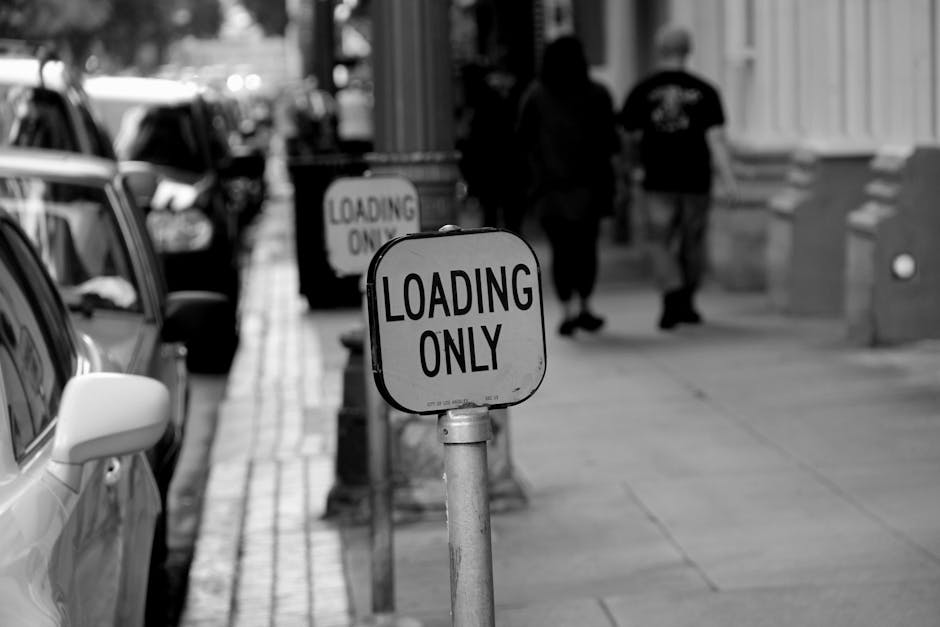
If you are planning a move, delivery, or bulky item drop-off, the question of whether you need a Upton council permit for street loading can save you a lot of hassle. The short answer is: sometimes yes, sometimes no, and it depends on where your vehicle will stop, how long it will stay there, and whether the loading spot affects traffic, parking controls, or access. In real life, this is one of those small details that can turn into a big headache if you leave it until the morning of the job. A van pulled half-on the kerb, a neighbour trying to get out, a ticket waiting on the windscreen... not ideal.
This guide explains the practical side in plain English. You will learn when a permit is likely to be needed, how street loading usually works, what to check before moving day, and how to avoid common mistakes. We will also cover the timing, the paperwork mindset, and a few useful moving tips that make the whole thing less stressful. To be fair, a smooth load-in is often more about planning than muscle.
Why Do you need a Upton council permit for street loading? Matters
Street loading sounds simple: park, lift, load, go. But in practice, it sits right in the middle of parking rules, road safety, neighbour access, and timing. If you stop a van in the wrong place, you may block a dropped kerb, sit on double yellow lines, or create a bottleneck on a busy road. Even if the job itself is quick, the location can make it sensitive.
That is why people ask about a permit before a move. They are usually trying to avoid two things: an avoidable fine and avoidable delay. If you are moving from a flat, a terrace, a roadside property, or anywhere with tight street access, the loading point matters more than most people expect. A few minutes of checking can spare you an entire afternoon of rushing, shuffling furniture, and making apologetic phone calls.
It also matters for safety. A proper loading setup reduces the chance of carrying heavy furniture across live traffic, stepping into the road with a sofa, or leaving boxes scattered on the pavement. If you have ever tried to reverse a van into a narrow street while someone is trying to move a fridge past a parked car, you will know the feeling. Slight chaos. Very British chaos, but still chaos.
Expert summary: If your van must stop on a public street to load, the key question is not just whether you can park there for a moment, but whether the stopping point is lawful, safe, and suitable for the length of the job.
How Do you need a Upton council permit for street loading? Works
The practical answer usually comes down to the type of street, the vehicle position, and the amount of time needed. In many UK locations, loading is treated differently from normal parking, but that does not mean unrestricted stopping is automatically allowed. A loading bay, a parking bay, a single yellow line, or a restricted street may all be governed differently.
In Upton, as in other UK areas, the local council or highway authority may require a permit, dispensation, or some form of parking authorisation when a commercial vehicle needs to occupy the road for loading or unloading. The exact rules can vary depending on the street, the time of day, and whether any restrictions already apply. So the first step is always to check the specific street conditions rather than assume a van can simply stop and load.
Here is the usual pattern:
- No permit needed when the vehicle can load entirely on private land or in a lawful, unrestricted space without causing obstruction.
- A permit or dispensation may be needed where the van must stop on a restricted street, use a parking bay for a commercial loading purpose, or remain in place long enough to trigger local controls.
- Extra caution is needed if the load involves heavy items, multiple trips, or access that could block traffic, residents, or emergency routes.
A lot of moving jobs sit in the grey area. For example, a two-minute stop to lift a single box is one thing. A half-hour stop while a team carries wardrobe sections from a top-floor flat is another. That distinction matters more than people think.
If you are arranging a bigger move, it can help to read practical planning advice such as achieving a smooth house move without the stress and best moving routes for CH49 Upton to avoid delays. They are useful because loading permission and route planning often go hand in hand.
Key Benefits and Practical Advantages
People sometimes see permit checks as just another admin chore. Fair enough. Nobody wakes up excited about parking permissions. But getting it right has real advantages.
- Fewer delays: You are less likely to spend time circling for a space or moving the van mid-job.
- Lower risk of penalties: A lawful setup reduces the chance of parking tickets or complaints.
- Better access planning: You can position the van closer to the property and shorten carrying distances.
- Safer lifting: Less distance usually means fewer awkward turns, less fatigue, and less risk when carrying heavy items.
- Less neighbour friction: A tidy, well-managed load creates less disruption on the street.
- Cleaner moving day flow: Everything feels more controlled, which is often half the battle.
There is also a commercial benefit if you are hiring movers. A team that knows how to organise loading, parking, and access will usually work faster and more efficiently. That matters for hourly jobs, same-day moves, and larger properties. If you want to understand how professional help changes the experience, the article on common removals pitfalls and hidden fees is a useful companion read.
Who This Is For and When It Makes Sense
This question is relevant to more people than you might first think. It is not only for full house moves. Street loading comes up whenever a vehicle needs to stop on the road to move goods in or out.
You are likely to need to look into a permit or some kind of loading approval if you are:
- moving house or flat from a street-facing property
- clearing a top-floor flat where lift access is limited
- delivering heavy furniture or appliances
- moving office equipment, archive boxes, or stock
- working with a man and van service that will stop on a public road
- arranging same-day removals where loading time is unpredictable
- handling awkward items such as pianos, sofas, beds, or freezers
It is especially sensible if your street is narrow, parking is tight, or the property has no driveway. That is a common issue in terraced streets and older neighbourhoods. In those situations, the permit question is really an access question wearing a parking hat.
If you are moving a heavy or awkward item, these guides are worth a look too: moving bulky furniture on narrow Upton terraces and innovative solutions for hassle-free bed and mattress moves. They help you think beyond the parking space and into the practical reality of the load itself.
Step-by-Step Guidance
If you want the simplest route through it, follow this process.
- Check the exact street location. Do not rely on memory or guesswork. Look at the road markings, signs, and any restrictions outside the property.
- Estimate how long loading will take. Be honest. A two-person flat move is rarely "just ten minutes".
- Work out whether the van can stop safely and lawfully. If not, assume additional permissions may be needed.
- Ask about loading rules early. If you are using movers, raise the question when booking rather than on the day.
- Build in a buffer. If a permit is needed, give yourself time for approval, admin, and any conditions attached to the booking.
- Prepare the load. Boxes sealed, furniture wrapped, items grouped by room. The faster the load, the less the street is affected.
- Keep proof handy. If a permit or dispensation has been arranged, keep the details accessible in case they need to be shown.
A practical tip: if the move is likely to be tight, stage items inside the property first. That way the team can keep the loading flow moving instead of pausing every thirty seconds to hunt for tape, straps, or the kettle. Little things. They add up.
For packing prep, the article packing wisely for a seamless house move is especially helpful. It pairs neatly with loading planning because organised packing reduces how long the van needs to stay in place.
Expert Tips for Better Results
Here are the small things that make a surprisingly big difference on the day.
- Time the move around traffic. Early morning or quieter periods can make street loading easier, but always weigh that against local restrictions.
- Use a spotter. Someone watching traffic and pedestrians can make the loading area much safer.
- Protect your route from the van to the door. Door mats, ramp edges, and pavement clutter can become trip hazards.
- Group the load by size. Heavy items first, awkward items next, lighter boxes last. It sounds obvious. It still gets done badly all the time.
- Measure the widest items. Sofas, mattresses, and wardrobes are the usual troublemakers.
- Have a backup plan. If the first stopping point is blocked, know where the second-best lawful stop is.
- Communicate with neighbours where sensible. A heads-up can smooth things over, especially on tight residential streets.
There is also a lifting side to all of this. The loading issue is not just legal, it is physical. Good lifting technique matters, and if you want a deeper refresher, see kinetic lifting guidance for safer handling and solo heavy lifting techniques for safety and success. Not glamorous reading, perhaps, but very useful when your hands are full and the van door is already open.

Common Mistakes to Avoid
The same mistakes crop up again and again, and most of them are avoidable with a little planning.
- Assuming loading is always allowed. It is not. Local restrictions still apply.
- Leaving the permit check too late. Some permissions need time to arrange.
- Underestimating the load time. Especially with stairs, long carry distances, or bulky furniture.
- Forgetting about width and turning space. A van may stop legally but still be impossible to position safely.
- Blocking neighbours or driveways. Even a short blockage can cause problems.
- Ignoring weather and surface conditions. Wet pavements, icy patches, or poor lighting make loading slower and riskier.
- Not checking whether the driver needs specific paperwork. The vehicle operator may need to be the one applying or carrying evidence.
Another easy miss is assuming that because one street nearby allows loading, yours will too. Two roads that look almost identical can have very different rules. Same postcode, different game. That catches people out more often than you would expect.
Tools, Resources and Recommendations
You do not need a huge toolkit, but a few practical items make street loading far smoother.
- Trolley or sack truck: helpful for boxes, small appliances, and stacked loads.
- Furniture blankets: useful for protecting wood, paintwork, and upholstery.
- Ratchet straps or tie-downs: keep the load stable in the vehicle.
- Labels and markers: save time when unloading and reduce confusion.
- Gloves and sturdy footwear: basic, but worth it.
- Phone with battery: for keeping in touch with the driver or property contact.
- Printed or saved permit details: handy if anyone questions the loading arrangement.
If you are working through a larger move, these pages can also help you plan the rest of the job: services overview, man with a van in Upton, house removals in Upton, and furniture removals in Upton. They are useful if you are deciding what level of help makes sense for the job.
Law, Compliance, Standards, or Best Practice
Because street loading touches road use and parking, it is sensible to treat it as a compliance issue rather than a casual arrangement. The exact rules will depend on the local authority, the road designation, and whether there are parking restrictions or loading restrictions already in place. That is the careful answer, and it is the safest one.
In plain terms, best practice usually means:
- checking local street restrictions before the move
- confirming whether the vehicle may stop where you intend to load
- making sure the stop does not create an obstruction
- keeping loading time as short as realistically possible
- ensuring the driver understands any permit conditions
- keeping a record of approvals or confirmations
It is also good practice to treat loading as part of health and safety planning. A proper loading setup reduces carrying distance, limits manual handling strain, and keeps pedestrians safer. If you want to see how a professional moving operation approaches those responsibilities, health and safety policy information and insurance and safety details are helpful background reading.
If the move involves decluttering or reducing the volume of items to load, efficient decluttering tips for a smooth move can help make the whole job smaller and easier to manage. Less stuff, less loading time. Very simple, very effective.
Options, Methods, or Comparison Table
Most people dealing with street loading will end up choosing one of these approaches. The right option depends on access, street rules, and how much you are moving.
| Option | When it suits | Pros | Watch-outs |
|---|---|---|---|
| Load from private drive or forecourt | Property has usable off-street space | Easiest, safest, least disruption | Not always available, especially in terraces and flats |
| Short lawful street stop | Street allows loading without extra permission | Quick and practical | Needs careful checking of signs and restrictions |
| Permit-backed street loading | Vehicle must occupy a controlled space | More secure from a compliance point of view | Requires planning and may involve admin |
| Staggered loading with two vehicles | Large or awkward move with tight access | Can reduce blocking time | More coordination needed, and cost may rise |
In many everyday Upton moves, the second or third option is the one people use. But if the street is narrow or the item is bulky, the safest choice is not always the quickest one. Truth be told, the quickest setup is usually the one planned the day before.
Case Study or Real-World Example
A typical example: a family moving from a first-floor flat on a residential street in Upton. The property has no driveway, the street is narrow, and there are parked cars on both sides by mid-morning. They initially assume the van can just stop outside for half an hour.
Then reality arrives. A neighbour needs access, the van would partly block a junction, and the loading distance from the front door is longer than expected. In this sort of situation, the sensible route is to check whether a permit or loading dispensation is needed, then plan the job around the correct stopping point. Sometimes the move can still happen neatly, but only if the vehicle position is thought through in advance.
What made the biggest difference in this scenario? Three things: pre-packed boxes, a short carry route, and a clear plan for which furniture needed to come out first. The sofa, naturally, was the troublemaker. It often is. If you are dealing with larger furniture, this page on sofa care and long-term keeping may be more relevant than it first looks, because furniture condition and moving method are closely connected.
By the end of the move, the loading itself was not the hardest part. The hardest part was the uncertainty before they checked the street rules. Once that was sorted, the whole day settled down.
Practical Checklist
Use this before street loading on moving day.
- Check the exact street and parking restrictions
- Confirm whether the van can lawfully stop where needed
- Find out if a permit, dispensation, or authorisation is required
- Allow enough time for approval if one is needed
- Measure bulky items and plan carry routes
- Prepare boxes, furniture protection, and straps in advance
- Keep entrances and pavements as clear as possible
- Assign one person to watch traffic and access
- Make sure the driver has the permit details if relevant
- Have a fallback loading point in case the first one is blocked
If you are moving on a tight schedule, same-day help can also be worth considering. The article on same-day Upton removals, what to expect and costs is useful if your move has become more urgent than planned. Happens more often than people admit.
Conclusion
So, do you need a Upton council permit for street loading? In some cases, yes. In others, no. The deciding factors are the street rules, the stopping location, the length of time needed, and whether the van would create any obstruction or breach parking restrictions. That is the honest answer, and the one that helps most.
The best way to handle it is to check early, measure your access realistically, and treat loading as part of the move plan rather than an afterthought. A little preparation can turn a stressful street-side scramble into a calm, tidy job. And if you are moving heavy furniture, a flat, or a whole home, that calm matters a lot.
Get a free quote today and see how much you can save.
Whatever you are moving, a clear plan and a steady hand go a long way. One sensible decision at the start can make the whole day feel easier, and that is worth doing properly.