Packing Wisely: Key Steps for a Seamless House Move
Moving house is often seen as a challenging, stressful event, but with the right approach to packing, it can be a smooth and even enjoyable experience. Whether you're relocating across town or moving to a new city, employing a strategic plan can make all the difference. In this comprehensive guide, we'll explore expert tips, practical checklists, and essential techniques to ensure your move is as seamless as possible. By learning how to pack wisely, you can safeguard your belongings, save time, and minimize stress.
Why Packing Wisely Is Essential for a Seamless House Relocation
Efficient packing is the cornerstone of any successful move. Not only does it protect your valuables from damage, it also streamlines the entire moving process. When you know what to pack, how to sort your items, and which moving supplies to use, you can reduce moving-related anxiety and keep your fresh start organized and enjoyable. Let's delve deeper into the benefits of packing smartly when moving house:
- Minimizes the risk of damage to your property
- Ensures faster unpacking and setting up in your new home
- Makes it easier to locate essential items during the transition
- Saves time and minimizes moving costs
- Provides better control over your belongings

Pre-Move Organization: Set the Stage for Stress-Free House Moves
1. Start Early and Create a Packing Timeline
One of the keys to a seamless move is starting as early as possible. Begin the packing process at least 4-6 weeks ahead of your moving date. Develop a room-by-room checklist and schedule daily packing goals.
- Week 1-2: Focus on infrequently used items such as seasonal clothes, books, or decor.
- Week 3-4: Pack up guest rooms, rarely-used kitchenware, and secondary items.
- Week 5-6: Complete packing the essentials and label necessary boxes as "Open First".
2. Declutter Before You Box Up
Moving is the perfect time to assess what you truly need. Before you start putting things into boxes, declutter each room meticulously. Sort your belongings into four piles: Keep, Donate, Sell, Recycle/Trash. Not only will this make packing easier, but it will also reduce moving costs and allow you to start fresh in your new home.
Gather the Right Supplies: The Foundation for Efficient Packing
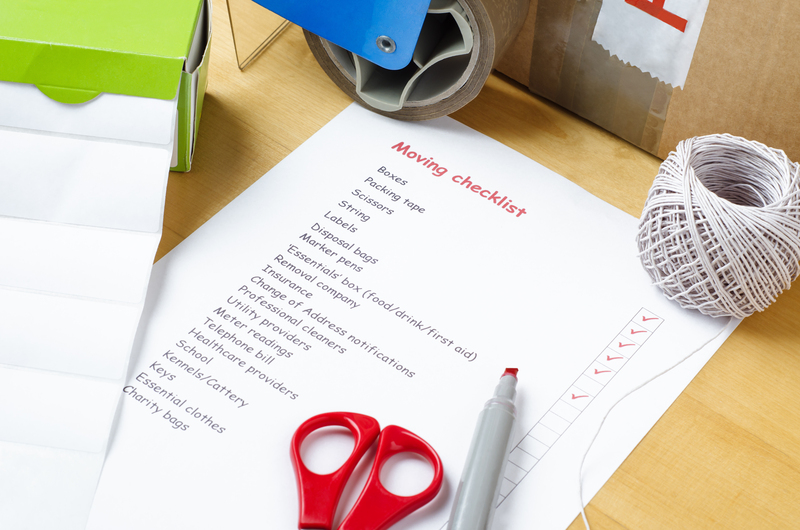
Using sturdy and appropriate packing supplies is key for safeguarding your possessions during transit. Stock up on essentials to avoid interruptions:
- Sturdy moving boxes in various sizes (small, medium, large, wardrobe boxes)
- Heavy-duty packing tape
- Bubble wrap and packing paper for cushioning
- Furniture blankets or pads
- Plastic wrap for securing items
- Permanent markers or colored labels for box labeling
- Ziploc bags for small items and hardware
- Scissors, box cutters, and gloves
Tip: Use reusable containers and eco-friendly packing materials wherever possible to minimize waste and environmental impact.
Packing Techniques: The Art of Careful and Systematic House Packing
1. Room-by-Room Packing: Stay Organized
Tackle one room at a time to prevent confusion. Label each box with its destination room and a brief description of its contents. This will speed up the unpacking process and help you locate essentials right away in your new house.
2. Protect Fragile Items
For dishes, glasses, and other breakables:
- Wrap each item individually in packing paper or bubble wrap
- Fill empty spaces in boxes with soft clothing, towels, or packing peanuts for cushioning
- Mark boxes containing fragile items with "FRAGILE" and arrows indicating the correct side up
3. Disassemble Large Furniture and Equipment
Take apart beds, desks, and bookshelves if possible. Place all hardware (screws, bolts) in clearly labeled bags taped to the larger pieces. Keep assembly instructions together in a folder for easy reassembly in your new home.
4. Use Suitcases and Bags for Clothing
Save on boxes by packing clothes in your suitcases, duffel bags, and laundry baskets. For hanging clothes, consider using wardrobe boxes or simply cover garment groups with garbage bags to keep them on hangers and protected during the move.
Labelling: Unlocking the Secret to Effortless Unpacking
Labelling is an integral step in smart house moving. Each box should be marked with:
- Room Name: e.g., Kitchen, Master Bedroom
- Contents: e.g., Pots & Pans, Bedding
- Priority: e.g., "Open First" for essentials
- Handling Instructions: e.g., "Fragile", "This Side Up"
For added efficiency, use a color-coded labeling system or printable moving labels for each room.
Digital Inventory Management
Consider using moving apps or simple spreadsheets to document the contents of each box. Take photos before sealing boxes, especially those with valuables or electronics, for easy identification and insurance purposes.
Essentials Box: Your Lifesaver on Moving Day
Pack a separate "essentials" box or bag with items you'll need on your first night in the new home:
- Toiletries and medications
- Change of clothes and pajamas
- Charging cables and devices
- Basic kitchen items (mugs, utensils, snacks)
- Important documents (IDs, moving contracts, address list)
- Kids' or pets' favorite toys, if applicable
Keep this box accessible and under your personal supervision during the move, not in the moving truck.
Special Considerations: Delicate, Bulky, and Valuable Items
1. Moving Art and Antiques
Use corner protectors, padded blankets, and specialized art cartons for paintings and frames. For antiques and heirlooms, consider custom crating and consult with professional movers if needed.
2. Handling Electronics
Original boxes and foam inserts offer the best protection. If those aren't available, wrap each component in anti-static bubble wrap or towels, and use plenty of padding. Remove batteries and keep wires and remotes together in labeled bags.
3. Transporting Plants and Liquids
Most moving companies won't transport plants, cleaning fluids, or perishable foods due to safety regulations. Plan to relocate plants in your car, and use up or properly dispose of liquids prior to moving day.
Working with Professional Movers: Collaboration for a Seamless House Move
Hiring professional relocation specialists can take a significant burden off your shoulders. However, your packing approach can still make or break the experience.
- Discuss packing services: Full-service movers can pack for you, but self-packing saves money and gives you more control.
- Get an accurate estimate: Be clear about the volume and nature of your belongings for a more precise moving quote.
- Supervise loading and unloading: Guide movers regarding fragile boxes, high-priority items, or heavy furniture placement.
Packing Tips for Reducing Moving Day Stress
- Don't overfill boxes - heavier items on the bottom, lighter ones on top
- Keep valuables and important documents with you at all times
- Use plastic wrap or towels to prevent leaks from toiletries or oils
- Prepare a cleaning kit for both homes
- Take photos of electronics connections before unplugging
- Stay hydrated and take breaks throughout the packing process
Unpacking: Your First Steps in Turning a House into a Home
The work isn't over once the trucks are unloaded. A smart unpacking plan is a continuation of your seamless move:
- Place boxes directly into their designated rooms
- Unpack essentials first - kitchen, bathrooms, and bedrooms
- Set up beds and basic kitchen items first
- Check for any damages and missing items as soon as possible for insurance purposes
- Recycle or reuse packing materials to minimize waste
Frequently Asked Questions about Smart Packing for House Moves
How early should I begin packing for a move?
Start at least four to six weeks ahead of your moving date. Begin with non-essential items and work your way toward daily necessities as the move draws closer.
What should I avoid packing with movers?
Avoid packing cash, jewelry, important documents, prescription medications, perishables, hazardous materials, and irreplaceable keepsakes with the moving truck. Always transport these yourself.
Which moving box sizes do I need?
Use small boxes for heavy items like books and dishes, medium boxes for kitchenware and toys, and large boxes for lighter but bulky items like bedding and pillows. Specialty boxes (wardrobe, dish barrels, etc.) are useful for specific needs.
Are there items I need to disassemble before a house move?
Yes. Beds, large tables, bookshelves, and some modular furniture are typically easier and safer to move when disassembled. Keep all screws and hardware in labeled bags for simple reassembly.
Conclusion: Moving Home Can Be Smooth with Smart Packing
Packing wisely is the ultimate strategy for a seamless house relocation. By staying organized, starting early, using proper techniques, and maintaining a clear labeling system, you can dramatically reduce the stress often associated with moving. Treat the packing process as the foundation for your family's new chapter--every box, every list, and every label is a step closer to feeling at home.
As you prepare for your next move, remember these key steps for a seamless house move and let smart packing lead the way to a successful transition. Happy moving!